

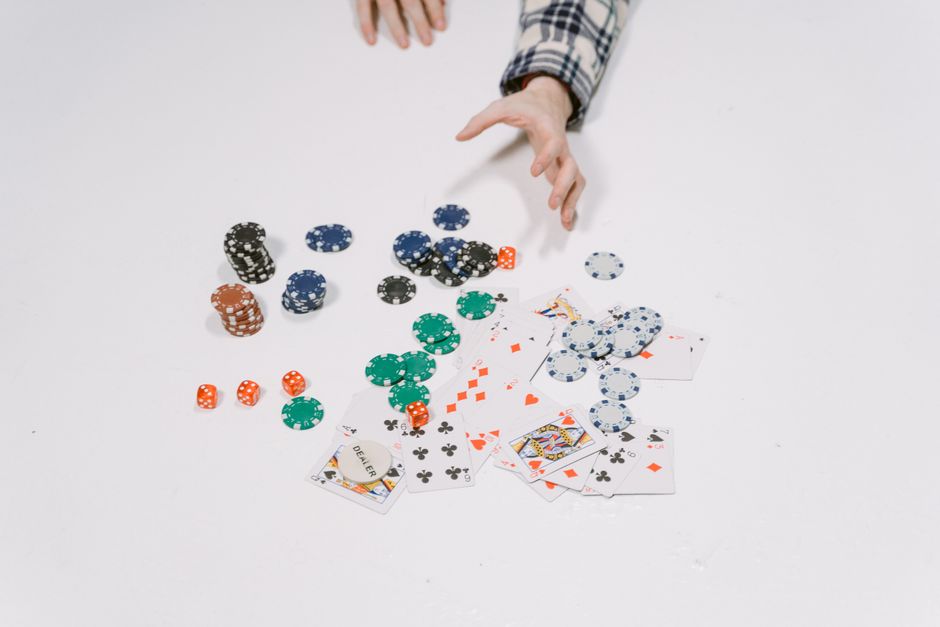
Walk into any casino, and someone will inevitably remind you that the house always wins. It is the oldest cliché in gambling, repeated by nervous boyfriends on the slots floor and by every uncle who has ever "read a study." But if the house truly, unconditionally always won, the people running the tables would not need security cameras, card counters would not get banned, and poker would not be a career. The truth is messier, and a lot more interesting: the house wins on average, over time, because the games are engineered that way — but within that rigid average lives an enormous amount of human edge, and knowing where that edge is available is the entire difference between gambling and playing.
The Mathematics Nobody Wants to Hear at the Bar
Every casino game has an inherent house edge baked into its rules. That number is not a moral judgment; it is arithmetic. American roulette carries a 5.26% edge thanks to the double zero. European roulette cuts it to 2.70% by removing that extra pocket. Blackjack sits somewhere between 0.5% and 2% depending on rules and how well you play. Slot machines vary far more dramatically — online slots can carry RTPs from around 94% to 97%, while some land-based progressive machines drop closer to 85–90%.
What this means practically is that if you play 500 spins at €1 on a slot with 96% RTP, your expected loss is roughly €20. That is the price of the entertainment. But expected value is a long-run average, not a promise for tonight. Variance is the wild card, and it cuts both ways. This is exactly why understanding the difference between RTP (Return to Player, calculated over millions of spins) and your actual session matters so much. Confusing one for the other is how players lose their bankroll and, worse, their confidence.
Slots: Paytables, Volatility and the Myth of Hot Machines
Slot players hear a lot of folklore. The most persistent myth is that a machine is "due" a payout because it has not hit in a while. Modern slot software — especially online — uses Random Number Generators that do not track your history. Every spin is independent. A machine that paid out five minutes ago is exactly as likely to pay out again as one that has been cold all night.
What you can control is which machine you sit down at, and how it behaves:
- Volatility: Low-volatility slots pay smaller amounts more often; high-volatility slots pay rarely but potentially huge. If your bankroll is €50, a 10,000x max-win volatility monster will send you home in twenty minutes.
- RTP transparency: Online casinos in regulated markets publish RTP details per game. Land-based slots rarely do, which is a real informational disadvantage.
- Bonus features: Free spins, expanding wilds and multipliers are where most of the RTP lives. A slot that never triggers its feature is bleeding you slowly.
- Bet sizing: Many players increase bets when losing in an attempt to "catch up." This accelerates ruin. Flat betting is boring; it is also survivable.
Table Games: Where Skill Actually Moves the Needle
Here is where the conversation gets more interesting. Blackjack, with basic strategy, can bring the house edge below 1%. Learn to split, double and surrender correctly and the math shifts dramatically in your favor — not enough to be profitable long-term without counting, but enough that entertainment costs drop to a fraction of slot play.
Poker is a different species altogether. In poker, you are not playing against the house; you are playing against other players, and the house takes a rake. A competent poker player can win consistently from weaker opponents because the edge is skill-based, not probabilistic. A 5% long-term winner in cash games is genuinely beating the game. The catch: poker punishes ego. Tilt, chasing losses and playing above your bankroll destroy more poker careers than bad beats ever did. More background can be found at SHBET.
Bankroll, Bonuses and the Fine Print That Bites
Online casinos lure players with welcome bonuses — 100% up to €200, 200 free spins, and so on. Read the terms carefully. Most bonuses come with wagering requirements: you may need to bet the bonus 30 or 40 times before withdrawing. That €100 bonus with 40x wagering means €4,000 in qualifying bets, often on games with a lower contribution rate toward the requirement. SH BET goes into the finer points.
Slots usually contribute 100% toward wagering, while table games like blackjack might contribute 10% or even 0%. That effectively makes bonuses worthless for blackjack players. A few genuinely useful tips:
- Always check the bonus contribution table before accepting.
- Note the maximum win cap — some bonuses cap withdrawals at 10x the bonus amount.
- Set a bankroll rule in advance: never more than 5% of a session, or 1–2% per bet in poker.
- Use tools like deposit limits and session timers, which regulated sites are required to provide.
- Treat bonuses as entertainment value, not as free money.
The Psychology of the Leak
Most players do not lose because they lack knowledge of the rules. They lose because they leak money through behavior. Chasing losses leads to bigger bets, which accelerates the mathematical bleed. Playing while drunk, tired or angry turns every decision into a coin flip. Betting on sports with loyalty to a team rather than value in the odds is entertainment dressed up as strategy.
The players who survive — and occasionally thrive — are the ones who treat gambling like a cost of entertainment with a defined ceiling, the same way they would budget for a concert or a nice dinner. They know that the house edge exists, and they accept it, but they still look for games where their skill gives them a fighting chance: poker, sports value betting, blackjack with proper strategy. Meanwhile, they avoid chasing the impossible slot jackpot with money they cannot afford to lose.
Final Thought: Choose the Game, Not Just the Fun
The house does not always win — it wins on average, across millions of bets, because it designed the rules. But within those rules, some games are far less punishing than others, and some skill sets can genuinely tip the scale. Roulette and slots are pure entertainment with a known tax. Poker and smart sports betting are where the thoughtful player can actually compete. Know which one you are playing before you sit down, and the math stops being your enemy. It becomes a tool you understand.


Comments